

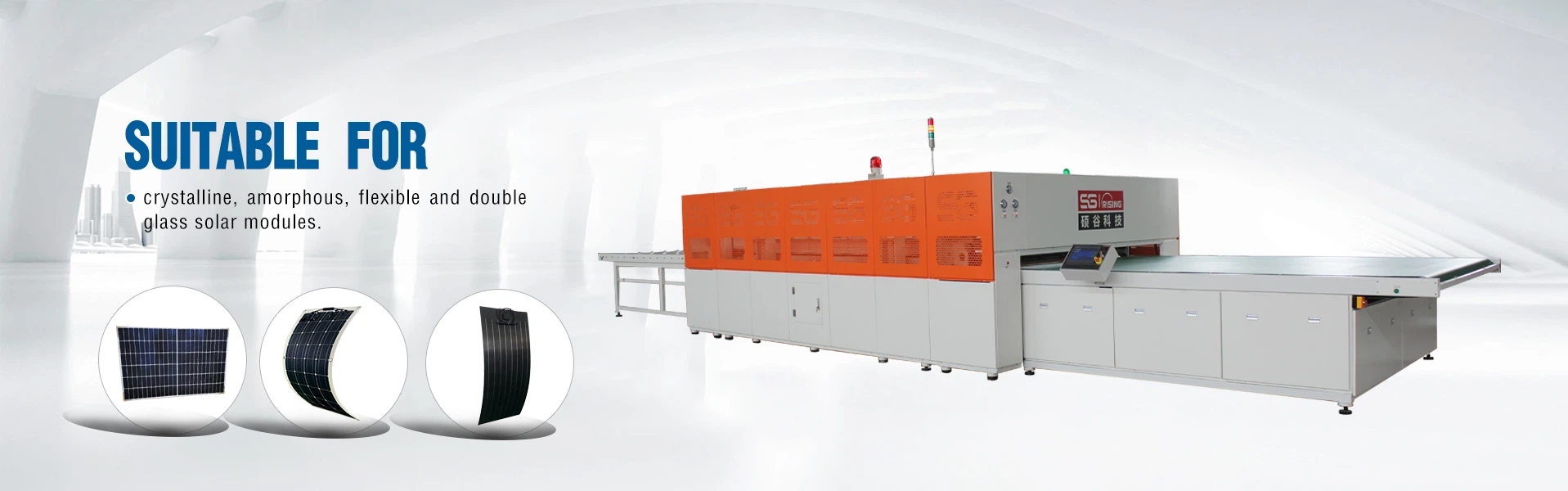
Фотогальванические ячейки являются ан важные источники возобновляемые энергия. Один из критические компоненты из а фотоэлектрические ячейки есть стекло крышка. Стекло крышка служит защита против окружающая среда факторы и усиления эффективность из ячейка. Однако, не все типы из стекло являются подходящие для использования в фотогальванические ячейки.
Когда выбор стекло для а фотогальваника ячейка, там есть несколько факторов к рассмотреть. The first is the type of glass. The most commonly used glass for photovoltaic cells is soda-lime glass. This type of glass is incheap and easy to manufacturing. Однако, it has a higher refractive index compared to other types of glass, which can lead to light reflection and loss of energy. Следовательно, other types of glass like borosilicate или флоат стекло может быть использовано к уменьшить в потеря энергия.
Another factor to consider when selecting glass for photovoltaic cells is its thickness. The glass cover must be thick enough to to stand mechanical stresses and environmental factors. Однако, толще стекло также означает that it has a higher поглощение rate, which can lead to energy loss. Следовательно, the the glass thickness should be optimized to balance the required strength and energy efficiency.
The surface properties of the glass are also important in photovoltaic cells. The glass surface should be smooth and free of pollutions that can scatter light or the efficiency of the cell. Some types of glass have unique surface properties that enhance their performance, such as anti-reблиkeive покрытия или самоочистка возможности.
Finally, the cost of the glass is also an important factor to consider. High-quality glass may increase the efficiency of the cell, but it can also significantly increase production costs. Therefore, manufacturers must carefully balance the cost and performance of the glass when selecting a suitable material.
In conclusion, selecting the right glass cover for photovoltaic cells requires careful consideration of several factors, including the type, thickness, surface properties, and cost of the glass. By carefully balancing these factors, manufacturers can produce high-efficiency photovoltaic cells that are cost-effective and durable.


